
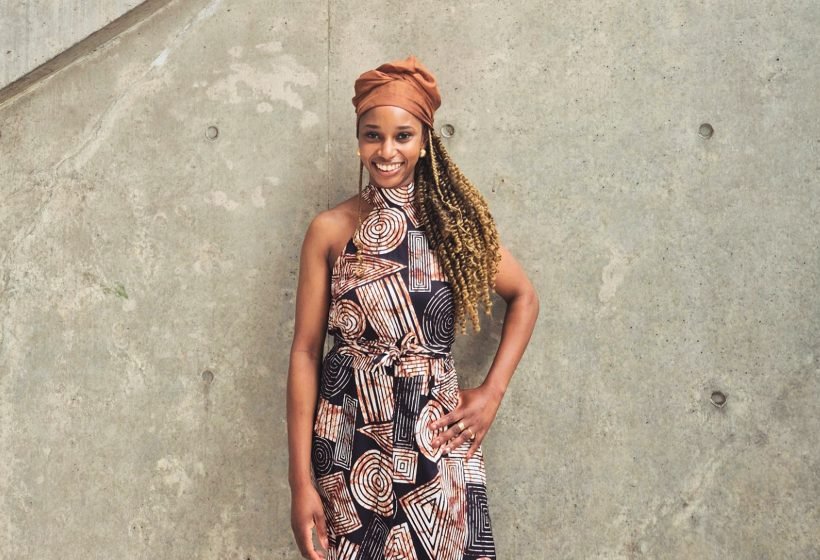
Angie is the founder of K-Afro. French, of Congolese heritage, and based in Seoul, she built the platform to give African and Afro-American cultures in South Korea the visibility they deserve.
September 16 2026
Angie is the founder of K-AFRO. French, of Congolese heritage, and based in Seoul, she built the platform to give African and Afro-American cultures in South Korea the visibility they deserve.
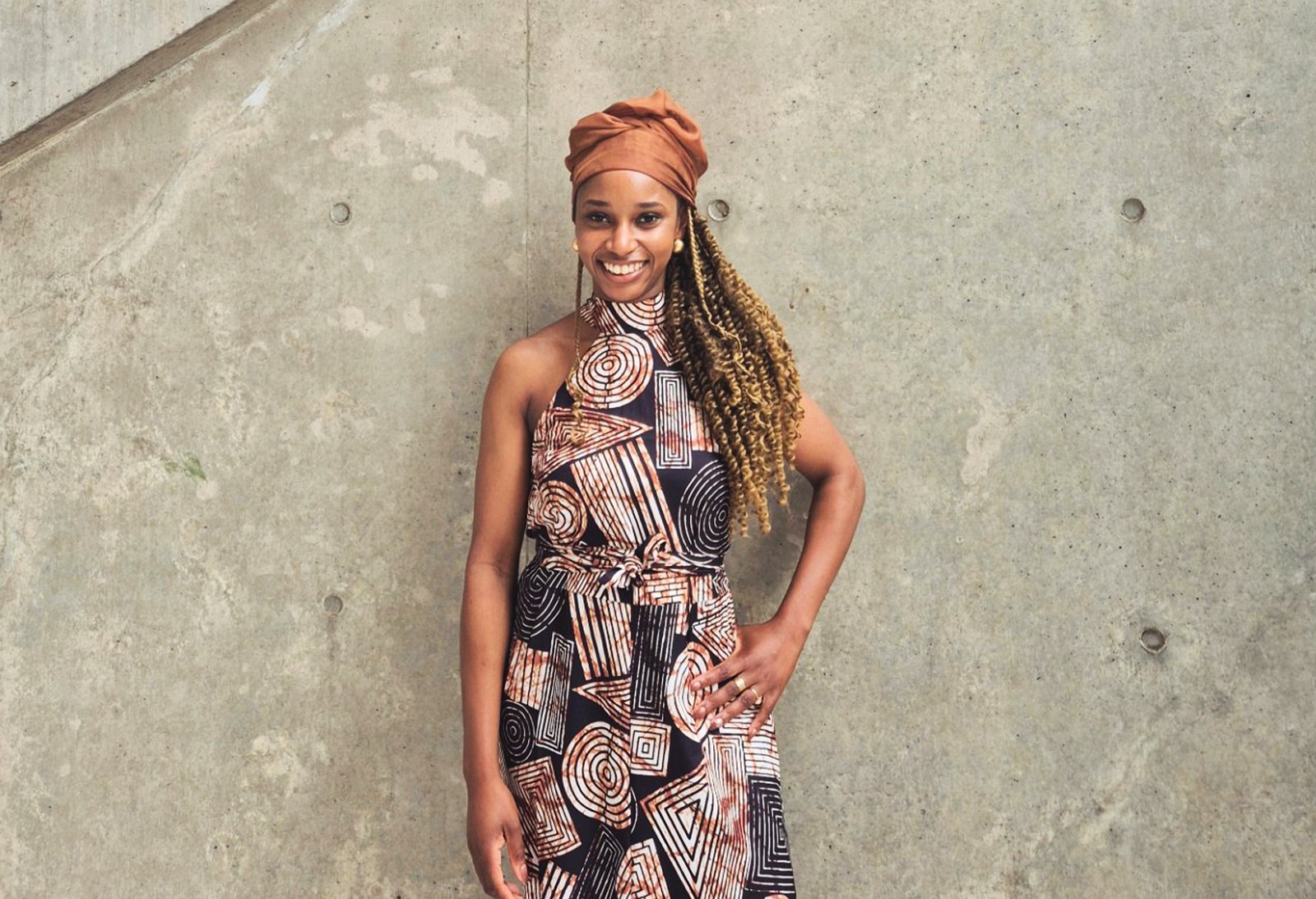
Angie, founder of K-AFRO - Personal collection
Can you introduce yourself and tell us what brought you to South Korea in the first place?
My name is Angie. I am French with Congolese roots and I have been living in South Korea for several years now. I came here to build both my professional career and my family life. What I did not expect was how much this country would shape me. Living in Korea has broadened my perspective in ways I never anticipated and enriched my journey in every sense of the word.
As a French woman of Congolese heritage living in Seoul, how would you describe your daily life and your relationship with Korean culture?
Honestly, my daily life is quite ordinary. Like most people, I balance family, work, and personal projects. But what makes it unique is that I get to experience three cultures at once, French, Congolese, and Korean, and each of them has shaped who I am in different ways. I naturally move between these cultural worlds, learning from each one and finding new perspectives along the way. Rather than seeing them as separate, I see them as complementary. That mindset is actually at the heart of everything K-AFROstands for.
What was the moment you realized that African and Afro-American cultures in South Korea needed more visibility?
It came from comparing my experience in Korea with what I had known growing up in France. In France, there is a strong culture of promoting and preserving heritage, through public institutions, private organizations, and media. The French Embassy in Korea, for example, regularly organizes events that showcase French culture and make it accessible to a wide audience. When I looked at African and Afro-descendant cultures in South Korea, I noticed a clear gap. There are talented artists, DJs, researchers, entrepreneurs, and community leaders contributing to these cultures every day, but they rarely get the visibility they deserve. Their events and initiatives are scattered across different platforms, making them hard to find. That was the moment I knew a platform like K-AFROneeded to exist.
Living in Seoul gives you a unique perspective. What does the African and Afro-descendant community look like from the inside, and how has it evolved since you arrived?
The community is vibrant, diverse, and very active. There are artists, musicians, entrepreneurs, students, researchers, and community leaders contributing to the cultural landscape in all kinds of ways. When I first arrived, African-American culture was by far the most visible to the Korean public, especially among younger generations through hip-hop, R&B, and street culture. That is still true today, but I have also noticed a growing interest in African cultures themselves. Music from Nigeria, South Africa, and beyond has become increasingly popular, driven by the global rise of Afrobeats and Amapiano. When I first arrived, it was not easy to find venues playing African music. Today, there are events and nightlife spaces in Seoul, Pyeongtaek, and Busan where people come together around these sounds. That shift is real and it is encouraging.
What are the practical challenges that Black people face when they first arrive in South Korea, and how does K-Afro help address them?
When I first arrived, one of the biggest challenges was staying connected to my cultural roots. Finding African grocery stores, hair care products for textured hair, the right salon, or a restaurant serving food that felt familiar was not easy. And I quickly realized that many newcomers face the same thing. Beyond settling into a new country, they are looking for places where they can reconnect with their culture, meet people with similar backgrounds, and build a sense of community. That is exactly what K-AFRO is here for. We bring together information on restaurants, bars, hair salons, cultural events, and community initiatives across South Korea, making everyday life a little easier and helping people find spaces where they can feel at home.
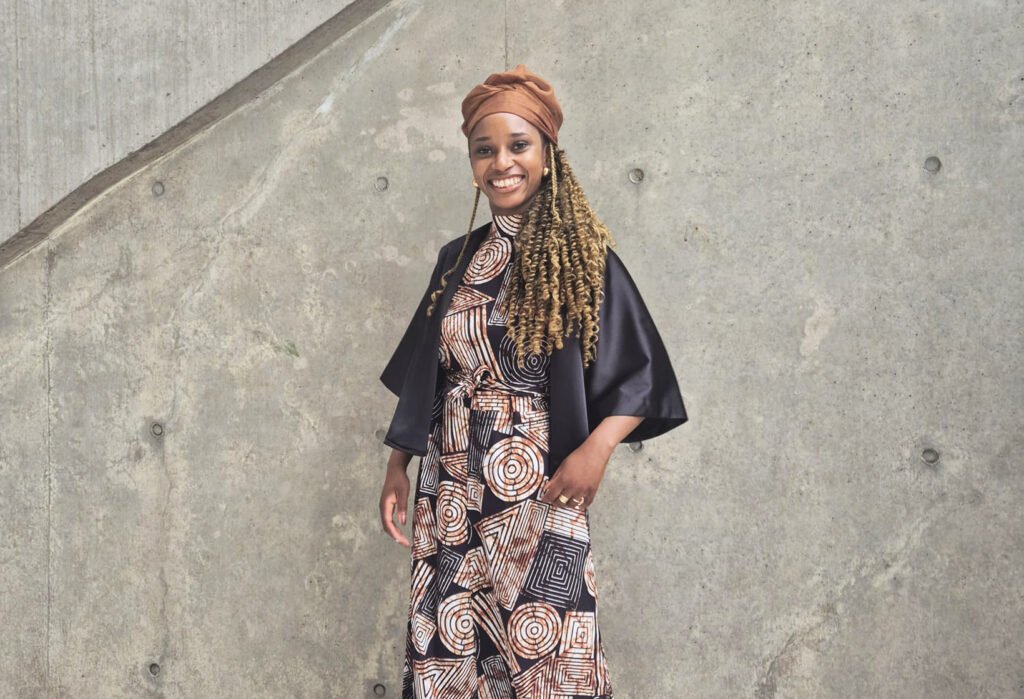
Angie, founder of K-AFRO - Personal collection
K-AFROwas your idea. Where did it come from, and what was the very first step you took to make it real?
K-AFRO was born from a simple realization: African and Afro-descendant cultures deserve greater visibility in South Korea. The first step was creating an Instagram account. As I started sharing events and connecting with people, I quickly saw just how vibrant and active these communities really are, and how much demand there was for a space that brought everything together. That experience confirmed that K-AFRO could be more than a social media page. It could be a bridge between communities, cultures, and anyone curious about African and Afro-descendant cultures in Korea.
You handle the business side of K-AFRO. What does that involve on a day to day basis, and what has been the steepest learning curve?
Running K-AFRO is time-consuming because there is always something to do. On any given day I am researching upcoming events, writing articles, creating social media content, communicating with organizers, and working on the website. A lot also happens behind the scenes, verifying information, translating content, making sure everything is accessible to an international audience. The steepest learning curve has been building a platform from the ground up. Managing content, growing visibility, understanding digital communication, finding the right ways to reach different communities. It has been a continuous learning process, but honestly one of the most rewarding parts of this whole journey.
What has been the most rewarding moment since K-AFRO launched?
Meeting people who have been working for years to promote African cultures in South Korea. In particular, connecting with the founder of the Seoul Africa Festival and collaborating with the organizer of KAFCON, the African football tournament in Korea, were especially meaningful moments. These encounters showed me that many people share the same vision of creating visibility for African and Afro-descendant cultures and strengthening the community. Seeing K-AFRO become part of that network has been incredibly motivating.
What is your message to anyone in South Korea who wants to connect with African and Afro-descendant cultures but does not know where to start?
Just get involved. South Korea has a vibrant African and Afro-descendant community with cultural events, festivals, restaurants, concerts, dance classes, and businesses waiting to be discovered. Attend an event, meet people, keep an open mind. Every conversation and every experience is an opportunity to learn something new. And if you do not know where to begin, K-AFRO is here for exactly that. We share the latest events, businesses, and cultural initiatives across South Korea so you can find your way in and feel welcome from day one.
Where can people find you on social media?
The best place to follow everything I do is simply @kafro_media. Our Instagram page is where all the updates, events, and cultural content live. I do have a personal page but I rarely use it.
Interview conducted in Suwon, South Korea
We interview the dancers, ambassadors, and creatives contributing to African and African-American cultures in South Korea.
Angie is the founder of K-Afro. French, of Congolese heritage, and based in Seoul, she built the platform to give African and Afro-American cultures in South Korea the visibility they deserve.