
A Living Heritage Through Dance and Music
Tradition is not simply something that belongs to the past. In West Africa, music and dance remain an important part of everyday life, evolving with the communities that keep them alive.
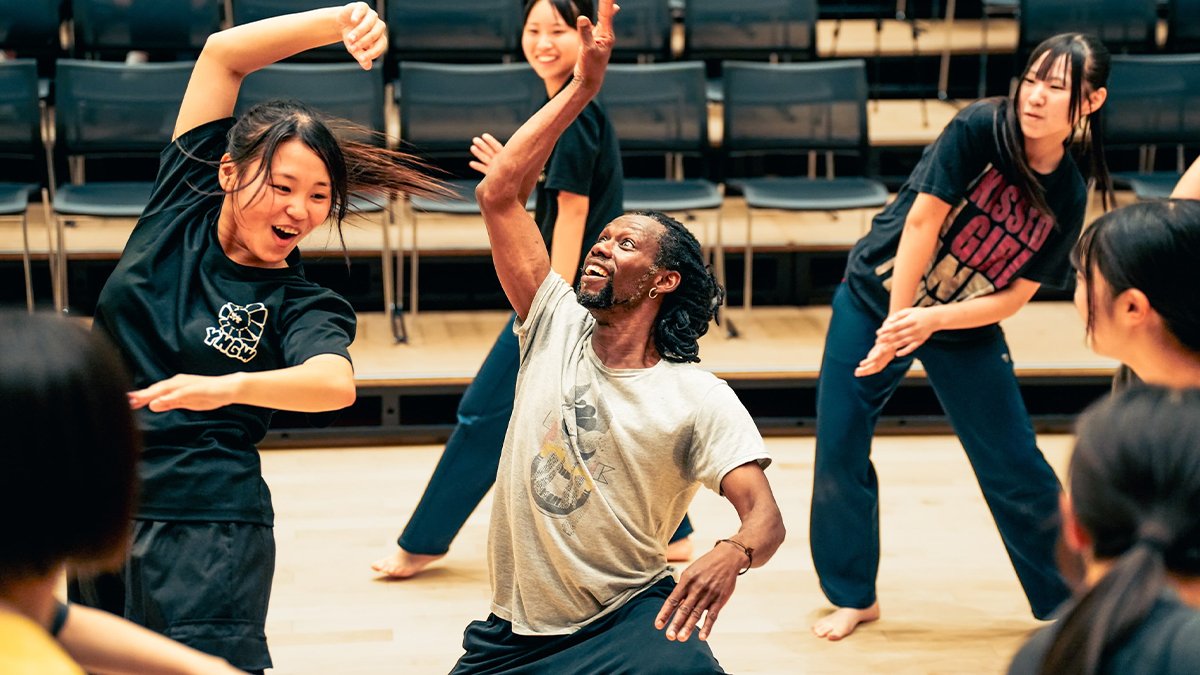
On Friday, November 6, Koule Kan, a contemporary dance company based in Seoul and founded by Burkinabe artist Emmanuel Sanou, brings this heritage to the stage as part of the The 27th World Intangible Cultural Heritage Invitation Series in Korea National University of Arts. Titled Manden Kalenkan, meaning “The Promise of Mande”, the performance explores the links between cultural memory, contemporary creativity and collective identity through traditional dances from the West African Mande world.
Passed down through generations, these dances carry stories, rhythms and shared experiences. They also continue to inspire new artistic expressions, bringing audiences together through movement, music and cultural exchange.
Exploring The Sounds and Rhythms of Mande Culture
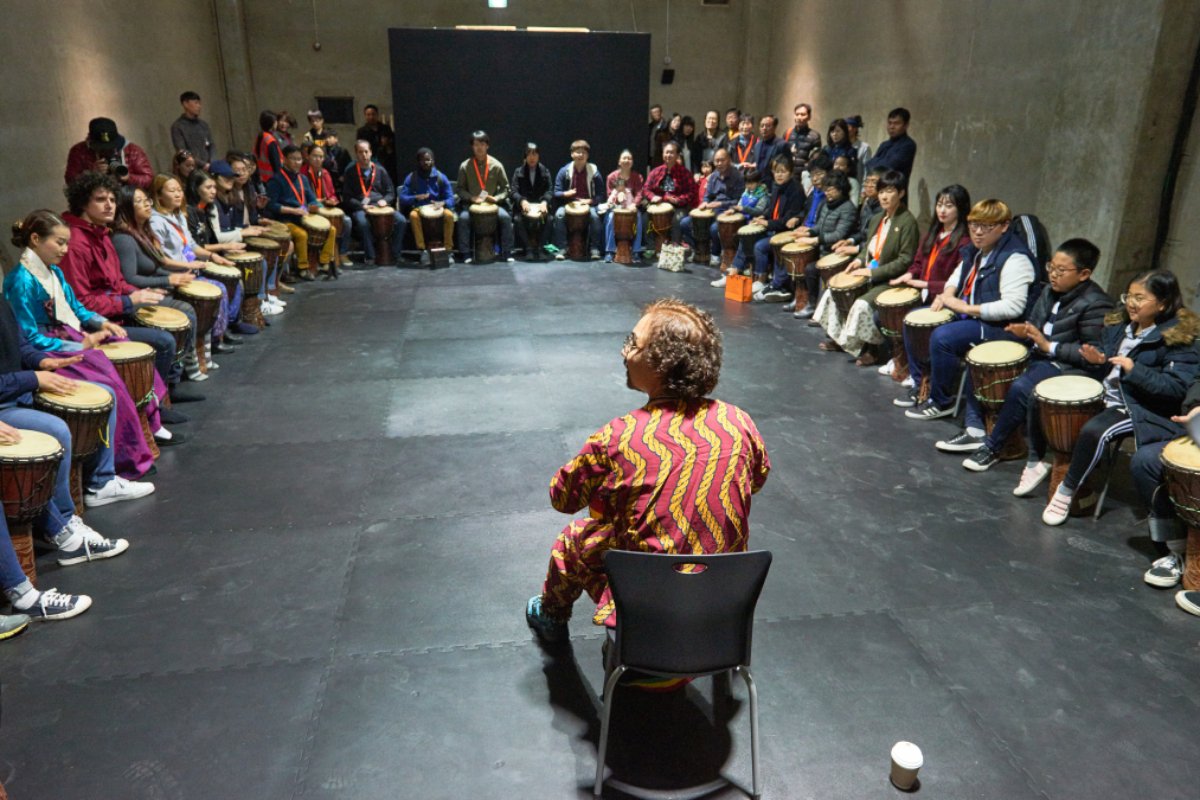
The performance will bring together Djeliya and Mandiani, two musical and dance traditions rooted in Mande culture, alongside Bobodon and Gourounsi rhythms from Burkina Faso. Accompanied by live music, these different influences create a dialogue between past and present, with movement serving as a shared language that connects generations and cultures. At its heart is a simple idea: rhythm brings people together, offering everyone a place to connect, whatever their background or origins.
Meet the Artists
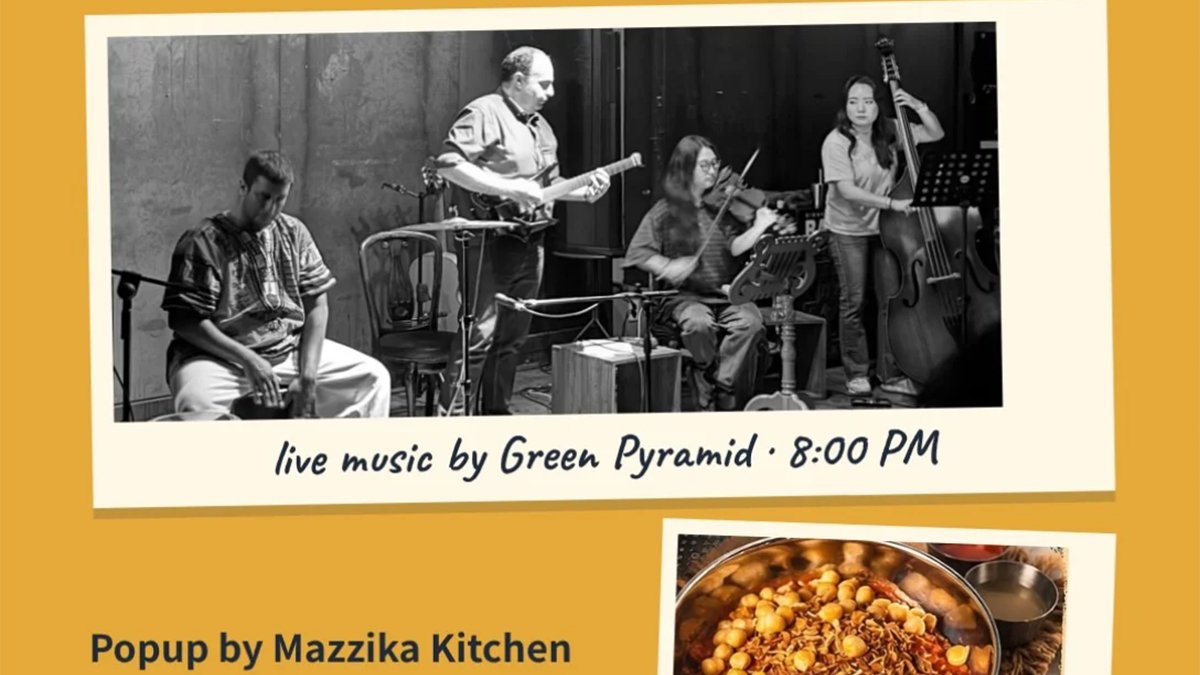
The choreography is by Emmanuel Sanou, who will also take the stage alongside dancers Park Yong-il and Woo Tae-uk. The live music and arrangements will be led by Adama Dembele, Yacouba Diabate and Salifou Diabate, whose musical contributions will bring the different dance traditions together. By combining these traditional rhythms with contemporary choreography, the artists offer their own interpretation of Mande culture, while keeping its dances and musical heritage at the centre of the performance.
By bringing these dance and music traditions to the stage, Koule Kan offers Seoul audiences a closer look at the cultural influences that continue to shape artistic expression across West Africa.